A Guide to Your Cat's Feet and Paws
The right knowledge can help you keep your cat's feet in optimal health for life.
As a cat owner, you may have found yourself amazed at the huge role your cat’s feet play in its everyday life, from chasing bugs and batting at toys to climbing and scratching your furniture. Cats also use their feet to wash and groom themselves. They even have a righting instinct that enables them to land on their feet whenever they fall. This means that foot or paw problems can leave your cat seriously debilitated. Let's look at some key facts about these important parts of feline anatomy.
How Cats' Feet Are Put Together
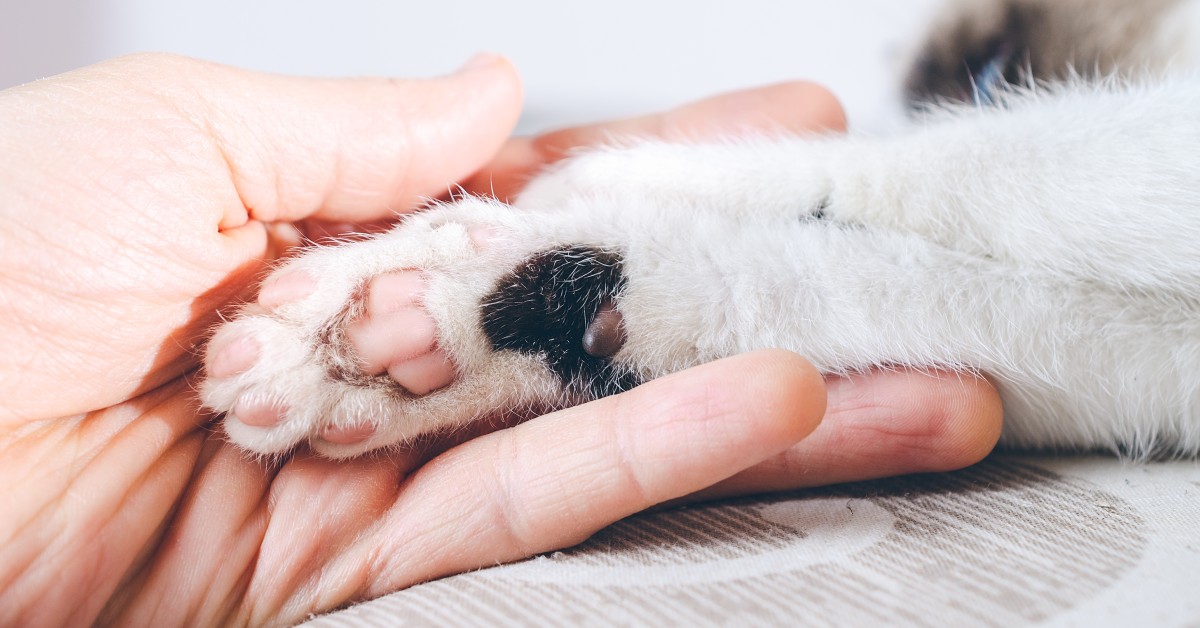
A cat's foot has a total of five toes, each with its own claw. The four main toes are located toward the front of the foot, while a fifth toe called a dewclaw on the outer side. An elaborate system of tendons and ligaments connects the bones of the toes to each other and to the muscles that control them. This anatomical arrangement allows your cat to perform some of its astonishing jumping and climbing feats. That's why veterinarians will generally advise against any modifications such as declawing or removal of the declaw; without them, your cat loses abilities that could potentially save its life in a crisis.
Cats' feet are cushioned on their undersides by the soft tissues of the paws. The smooth paw pads of a housecat allow it to maintain its balance and jump comfortably from heights, while the rougher, thicker paw pads of cats in the wild offer a firmer grip for climbing and hunting.
Potential Issues Affecting Cats' Feet and Paws
You might think that a cat's feet are invulnerable to damage after watching your cat climb and jump effortlessly. In truth, your cat’s feet are very delicate and can fall prey to any number of threats, from acute injuries and chronic pain conditions to infections and burns. Let's take a look at some of the problems your cat's feet may encounter.
- Paw Injuries - Cat’s can sustain paw injuries such as puncture wounds, cuts, and burns. If this damage opens the door to bacteria, an infection may develop in the affected paw pad, resulting in a painful, fluid-filled abscess.
- Irritants - Exposure to gasoline, de-icing compounds, or cleaning chemicals can cause chemical burns or other serious forms of irritation. Allergic reactions and fungal infections can also cause paws to become itchy and irritated.
- Foot Fractures, Strains, and Sprains - Fractures can occur in any of the small foot bones. The connective tissues can also sustain damage when overextended. A torn tendon or muscle is called a strain; a stretched or torn ligament is called a sprain.
- Chronic Pain Problems - Arthritis or other chronic musculoskeletal conditions can make it painful for your cat to get around.
- Torn Toenails - Domesticated cats don't get much chance to wear their toenails down naturally like wild animals do. If their toenails get too long and sharp, they can get caught in wood or fabric and tear away from the cuticle, causing pain and potential infection.
How to Recognize and Respond to Cat Foot Problems
The more quickly you can spot a cat's paw or foot problem, the more effectively your veterinarian can treat it. That's why it pays to learn how to recognize the trouble signs. The most obvious symptom is a cat favoring one foot or limping. Check the exterior of the foot for cuts or other injuries. If you don't see external damage, your vet may need to examine the foot for a possible sprain, strain, or fracture.
If your cat can walk normally but starts licking one paw obsessively, that paw may be suffering from an infection or irritation. Look for signs of redness and hair loss, two symptoms of a fungal infection. Possible itching caused by a food allergy merits testing at the veterinarian's office.
Preventative Wellness Strategies for Feline Feet
You can do a lot to help your cat's feet stay as healthy as possible -- starting with the toenails. Purchase or make your own scratching post that will encourage your cat to wear its toenails down naturally and safely. This not only prevents the toenails from getting dangerously long and jagged; it could also save your furniture! If the scratching post doesn't suffice, take your cat to an experienced groomer who can trim the nails without damaging the surrounding tissues.
Work on making your household environment as paw-friendly as possible. Keep your kitty away from any areas that might harbor chemical spills, and don't let your cat walk on extremely hot or cold surfaces.
Enlist Your Vet's Assistance
Your veterinarian can treat a variety of cat foot issues, from surgical fracture repair and burn care to allergy testing that can help eliminate the offending allergen. Even chronic pain from arthritis can respond well to the right combination of medication, lifestyle adjustments, and gentle exercise. Don't hesitate to ask for a hand in caring for your cat's feet!
Ready to start saving money on pet wellness care?
Then take a look at Mint Wellness, the pet wellness plan that provides fast reimbursement on routine pet care. Save on vaccinations, wellness exams, preventatives, dental, and more!
Learn More