Setting Up and Cleaning Your Bird's Cage
Give your pet bird a healthy, clean home with these bird cage setup, cleaning, and maintenance tips.
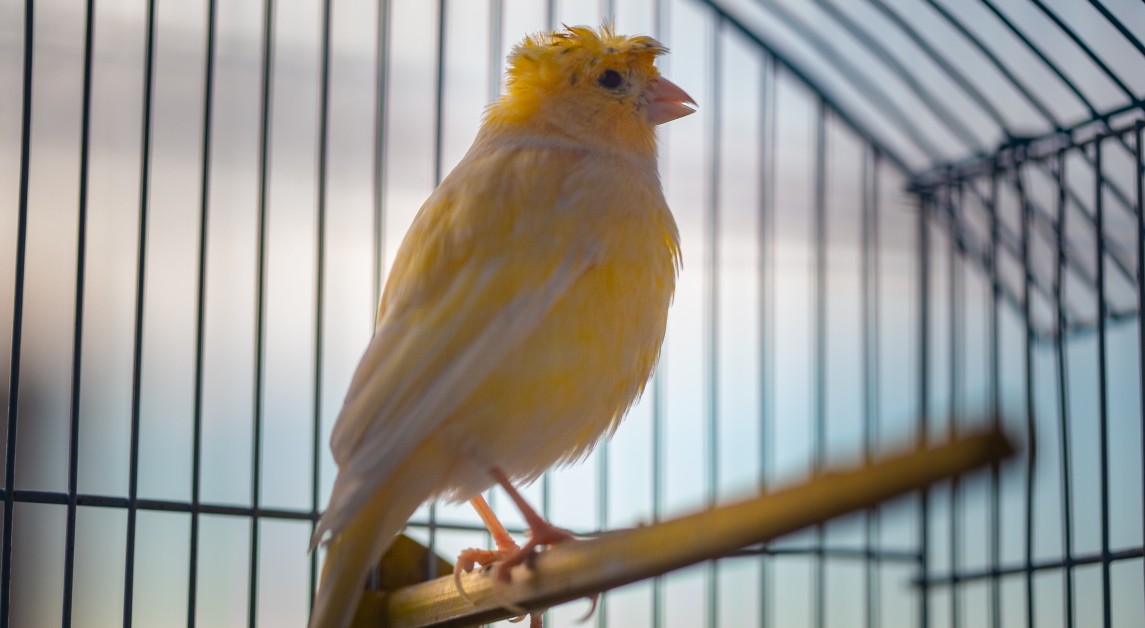
Birds are highly sensitive creatures that care about their environment. If you plan to adopt a pet bird, make sure your feathered friend has a living space in which it can thrive. This doesn't just mean selecting a cage of the right size and features -- it also means keeping that cage as clean and germ-free as possible. Check out this guide to intelligent bird cage setup, cleaning, and maintenance.
Choosing a Bird Cage
A lot of considerations go into choosing a bird cage, starting with the bird's size. As a general rule, you should select a cage approximately two-and-a-half times as wide as your bird's wingspan. This will help prevent crowding and injury. Most birds of medium or larger size will thrive in a cage at least 20 inches in width. Cages for large birds such as parrots should also provide at least 18 inches of vertical space.
Stainless steel makes the best choice of material for a bird cage. Stainless steel is non-toxic to birds, can be cleaned easily, and will last for decades with proper care.
Preparing Your Bird's Cage for Habitation
Once you have the right cage for your bird, you can set it up to serve as your feathered friend's forever home. Place layers of waterproof, absorbent lining in a tray on the floor of the cage to collect waste and permit easy cleanup. Attach feeding and water bowls to the sides of the cage a couple of inches above this floor.
Perches are a necessity for any bird cage. Attach different lengths of perches at different heights around the cage to simulate the branches of a tree. Wood, silicone, cork, and textured rope can all make good perches. Don't forget to hang some puzzle toys, foraging toys, and chew toys.
The cage's placement also matters. Put it near a window for natural daylight, but not so close that the sun might overhead your pet. Make a point of keeping the cage away from drafts.
Cleaning Your Bird's Cage
You may not relish the thought of cleaning your bird's cage, but it’s a necessity that can’t be overlooked. In addition to reducing odor and pest concerns, regular cage cleaning can dramatically reduce the presence of microorganisms – cutting your bird's risk of catching a serious disease almost in half. Birds also experience great psychological relief from a clean cage, reducing stress while encouraging more exploration of their environment.
Certain cleaning routines should occur every day without fail. Just 24 hours can prove sufficient for bacterial growth to assume risky levels. At the beginning of every day, you should remove the water and food bowls and wash them in hot, soapy water. Make sure to scrub out any remaining food or soap.
You can find bird-friendly cage cleaning fluids online or at local pet shops. Use these products to wipe down the cage surfaces every day. At the same time, you should remove and replace the cage's lining from its tray.
In addition to daily cleaning, thorough weekly cleanings are a must. This includes scrubbing the bars, toys, and perches with a solution of isopropyl alcohol and water. You should also sanitize the tray, even if it looks clean, and any metal floor grates that may have come with the cage.
Monthly Bird Cage Maintenance
As essential as daily and weekly cleanings are, a bird's cage can still benefit from a really comprehensive monthly cleaning. Since this degree of cleaning involves the entire cage, you'll need to move your bird to a carrier or temporary cage until you're finished. Clean and dry the cage thoroughly, making sure no sanitizers or cleaning product residue remains on its surfaces before restoring your pet to its home.
A bathtub works for monthly cleaning if your bird cage will fit in it. If the cage is too large for a bathtub, take it outdoors and hose it down on your porch, deck, or driveway. Scrub all surfaces thoroughly, using the bristles of the scrub brush to get into all the little nooks and crannies of the cage.
After a month of use, your bird's toys will also need more than a quick wipe-down. Remove the toys, soak them, and scrub them carefully. Keep a variety of extra toys on hand so you can rotate them between monthly cleanings.
Seeking Advice from Your Avian Veterinarian
Bird cage maintenance and cleaning doesn't just help to prevent illness; it can also help owners identify potential diseases in their birds. For instance, whenever to remove the lining, examine the droppings for any abnormalities or irregularities. If you think you may be looking at a health issue, consult an experienced avian veterinarian.
No matter how careful you are in your bird cage cleaning and maintenance efforts, your bird may still experience stress or boredom. Watch out for trouble signs such as feather plucking, panting, changes in sleep or eating habits, and constant screeching. If these symptoms occur, take your bird to the vet -- and take the cage along so the vet can evaluate your setup!
Ready to start saving money on pet wellness care?
Then take a look at Mint Wellness, the pet wellness plan that provides fast reimbursement on routine pet care. Save on vaccinations, wellness exams, preventatives, dental, and more!
Learn More