
Seasonal Diet Changes for Rabbits
Adjust your rabbit’s diet throughout the year to support health, digestion, and natural behavior.
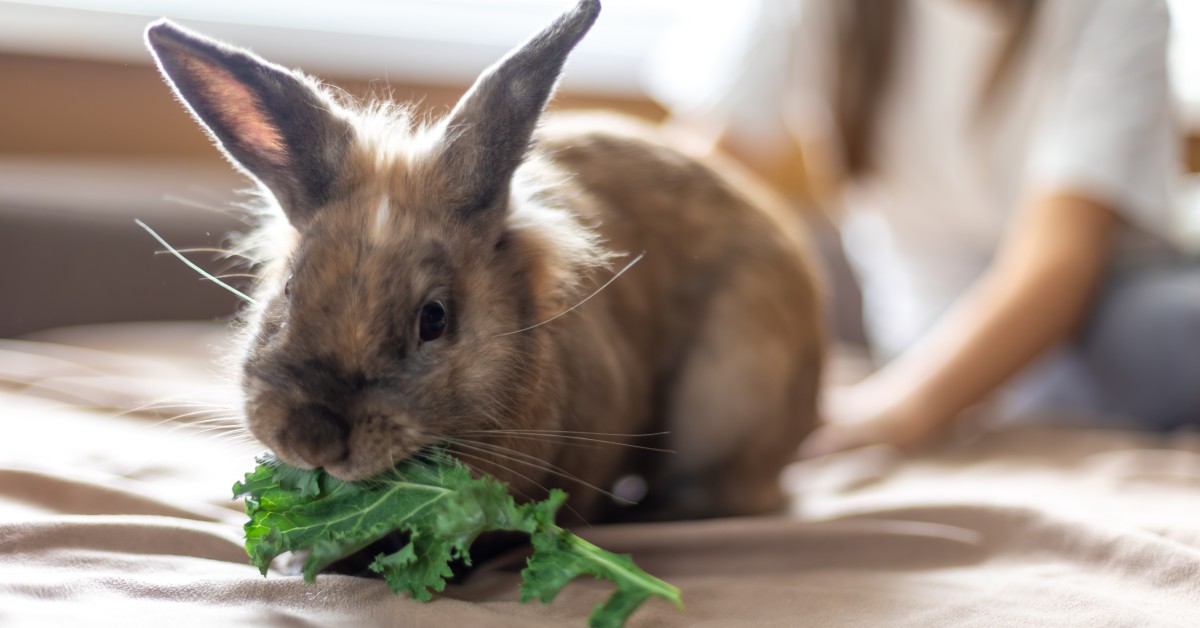
Rabbits are creatures of habit, but that doesn’t mean their diets should stay the same year-round. In nature, rabbits eat what is seasonably available. Fresh spring growth, summer grasses, fall plants, and winter forage help keep wild rabbits healthy. While domestic rabbits rely on their owners for food, their digestive systems still benefit from seasonal variety.
Making small adjustments to your rabbit’s diet throughout the year can help maintain proper digestion, support healthy teeth, and provide enrichment. Find out what changes to make to help your pet bunny stay happy and energetic from season to season.
Why Seasonal Diet Changes Matter for Bunnies
A rabbit’s digestive system is sensitive and designed for a high-fiber diet. Hay should always be the main part of their daily food intake, but the types of greens and treats they eat can change depending on what is naturally available during the year.
Seasonal feeding has several benefits. It provides nutritional variety, prevents boredom with food, and helps rabbits obtain different vitamins and minerals that come from fresh plants. Seasonal adjustments can also help rabbits adapt to temperature changes. For example, water-rich greens are helpful during warmer months, while slightly heartier foods can be useful during colder weather.
Another important reason for seasonal diet adjustments is availability. Many safe vegetables and herbs are easier to find fresh during certain times of the year. Using what is naturally in season often means better quality food for your rabbit.
Spring: Fresh Growth and Gradual Introductions
Spring is an exciting time for rabbits as fresh greens become widely available. After a winter of mostly hay and limited vegetables, many owners are eager to add new plants to their rabbit’s diet. However, this is the season when you should be the most careful.
Sudden changes in diet can upset a rabbit’s digestive system. If you plan to introduce new greens or fresh grass, do it slowly. Begin with small portions and increase gradually over several days.
Spring is a great time to offer leafy greens such as romaine lettuce, cilantro, parsley, and dandelion greens. These foods are nutritious and closely resemble what rabbits might eat in the wild during early growth seasons.
Summer: Hydration and Light Greens
During the summer months, rabbits often eat slightly less due to the heat. Their focus shifts toward staying cool and hydrated. Providing fresh vegetables with higher water content can help support hydration.
Leafy greens such as lettuce, basil, mint, and cilantro are great summer options. These greens are light, refreshing, and easy for rabbits to digest. Many rabbits also enjoy small amounts of cucumber or bell pepper during hot weather.
Hay should remain available at all times, but you may notice your rabbit eating more greens during this season. Make sure water bowls or bottles are always full and cleaned frequently.
Summer is also the perfect time to offer safe garden herbs. Many rabbits enjoy nibbling on small amounts of dill, thyme, or oregano. These herbs can provide variety and make mealtime more interesting.
Fall: Transition and Variety
Fall is a natural transition period. As temperatures cool and summer plants begin to disappear, rabbits benefit from a gradual shift in diet. This season is a good time to introduce slightly heartier vegetables while maintaining plenty of hay.
Leafy greens are still important, but you can begin adding vegetables such as carrot tops, kale in moderation, and small portions of squash. These foods provide additional nutrients and seasonal variety.
Fall is also when many rabbits experience seasonal shedding. A diet rich in fiber helps prevent digestive issues related to swallowed fur. High quality hay should make up at least 80 percent of your rabbit’s diet during this time.
You can also offer occasional seasonal treats in very small amounts. Tiny slices of apple or a thin piece of carrot can be enjoyable rewards, but they should always remain occasional treats rather than daily foods.
Winter: Fiber and Consistency
Winter diets for rabbits tend to be more consistent and simple. Fresh greens may be less available depending on where you live, so hay becomes even more important.
Timothy hay or other grass hays should remain the foundation of your rabbit’s diet. The fiber supports digestion and helps wear down constantly growing teeth.
Continue offering safe leafy greens when available. Grocery store vegetables such as romaine lettuce, parsley, and cilantro can help maintain variety even when fresh garden plants are not available.
As rabbits often move a bit less during winter, treats should be limited. Too many sugary foods during colder months can contribute to weight gain. Focus on fiber-rich foods and consistent feeding routines.
Foods to Avoid Year Round
While seasonal changes can add variety to a rabbit’s diet, some foods should always be avoided. Iceberg lettuce, onions, garlic, chocolate, bread, and processed foods are not safe for rabbits.
Starchy vegetables and sugary fruits should also be limited. Rabbits thrive on fiber, not sugar. Treats should only make up a very small portion of their diet.
When introducing any new food, always watch for signs of digestive upset. A rabbit that stops eating, produces fewer droppings, or seems lethargic may be experiencing digestive problems and should be monitored closely.
Keeping Your Rabbit Healthy Through Every Season
By adjusting your rabbit’s diet throughout the year, you support healthy digestion, prevent boredom, and create a feeding routine that reflects the rhythms of nature. A rabbit that enjoys a balanced, varied diet is more likely to stay active, curious, and healthy.
Ready to start saving money on pet wellness care?
Then take a look at Mint Wellness, the pet wellness plan that provides fast reimbursement on routine pet care. Save on vaccinations, wellness exams, preventatives, dental, and more!
Learn More